



My First Bundle for Auction on E-bay Hardback signed copies
The confluence of gang violence, illicit drug markets, and human trafficking represents one of the most intractable and devastating challenges facing modern society. These are not discrete problems that can be addressed in isolation; rather, they are deeply intertwined, forming a destructive nexus that perpetuates cycles of crime, exploitation, and despair across communities. To truly understand and combat these issues, we must first establish this fundamental interconnectedness, defining each phenomenon and illuminating the ways in which they feed and sustain one another. This foundational understanding is crucial for navigating the complex landscape that lies ahead, preparing readers for a deeper exploration of the legal, societal, and human dimensions of these pervasive challenges. Gang violence, at its core, is often a symptom of deeper societal fissures and a byproduct of the lucrative illicit economies that thrive in their shadows. While often characterized by overt acts of aggression and territorial disputes, the roots of gang activity frequently lie in socio-economic deprivation, a lack of opportunity, and a pervasive sense of marginalization. In communities where legitimate pathways to success are perceived as blocked or nonexistent, gangs can emerge as powerful, albeit destructive, alternatives, offering a semblance of belonging, protection, and economic prospect. These organizations often become deeply embedded within the fabric of these communities, and their primary means of generating revenue and maintaining influence frequently involves the drug trade. The demand for illicit substances creates a powerful economic incentive, and gangs are adept at leveraging their organizational structures and territorial control to facilitate the distribution of drugs. This direct linkage between gang activity and drug trafficking is a persistent feature, with violence serving as a tool for market control, debt collection, and the enforcement of hierarchical structures within the drug trade.
The drug trade, in turn, is a massive, multi-billion dollar global enterprise that fuels corruption, destabilizes governments, and devastates communities through addiction and violence. The sheer profitability of illicit drugs creates enormous incentives for criminal organizations to operate and expand. These organizations, which often manifest as sophisticated cartels or more localized street gangs, require immense capital to operate. This capital is generated through the sale of drugs, but it also requires intricate systems for money laundering and reinvestment. The violence associated with the drug trade is not merely incidental; it is a strategic component of market control. Territorial disputes, enforcement of contracts, and the elimination of rivals are all conducted through brutal displays of force, ensuring that fear and
intimidation are constant companions to the flow of narcotics. Furthermore, the societal impact of widespread drug abuse, fueled by the availability facilitated by these trafficking networks, creates a public health crisis that strains healthcare systems and devastates families. Addiction, a chronic disease of the brain, compels individuals to engage in behaviors that can further entrench them in cycles of crime and despair, sometimes leading them to become victims or even perpetrators within the larger criminal enterprise.
Human trafficking, though sometimes appearing distinct, is also inextricably linked to this destructive nexus. Traffickers often prey on the vulnerabilities created by poverty, displacement, and desperation – conditions that can be exacerbated by gang violence and the economic instability associated with the drug trade. In some instances, drug cartels have diversified their operations to include human trafficking, leveraging their existing networks, transportation infrastructure, and propensity for violence to engage in the exploitation of human beings for profit. Victims of trafficking are often forced into sexual exploitation or forced labor, with the proceeds from this illicit activity further enriching criminal organizations. The coercion and control employed by traffickers often involve tactics that mirror those used in the drug trade, such as debt bondage and the threat of violence against victims or their families. Moreover, individuals struggling with drug addiction, often a consequence of early exposure to drugs facilitated by gangs or traffickers, can become particularly vulnerable to exploitation by those who can provide them with substances in exchange for services or by those who see their desperation as an opportunity. The cycle is thus closed and self-reinforcing: poverty and lack of opportunity can lead to gang involvement and drug abuse; drug abuse can create vulnerabilities that traffickers exploit; and the profits generated from both drug trafficking and human trafficking can further empower the very gangs that perpetuate violence and instability.
Understanding these socio-economic factors is paramount to grasping the prevalence of these intertwined issues. In many urban and even increasingly rural communities, a complex interplay of systemic inequalities, historical disinvestment, and limited access to education and stable employment creates fertile ground for criminal enterprises to flourish. When legitimate avenues for social mobility and economic advancement are perceived as inaccessible, individuals, particularly young people, may turn to gangs for a sense of identity, belonging, and a perceived pathway to financial security, however illicit and dangerous. This search for belonging and economic opportunity can trap individuals in cycles of violence and crime, often with
devastating consequences for their personal lives and the broader community. The allure of quick money, the perceived power associated with gang affiliation, and the absence of viable alternatives can be powerful motivators. These socio-economic disadvantages are not merely background noise; they are active contributors to the perpetuation of these illicit economies. For instance, neighborhoods with high unemployment rates and a lack of educational resources often experience higher concentrations of gang activity and drug-related crimes. The absence of robust social support systems and community infrastructure further exacerbates these vulnerabilities, leaving individuals with fewer protective factors against recruitment into criminal enterprises.
The pervasive nature of these issues, extending far beyond the confines of large urban centers, is another critical aspect to underscore. While we often associate gang violence and drug trafficking with densely populated cities, these phenomena have increasingly infiltrated suburban and rural areas. Factors such as the relative anonymity of smaller communities, the presence of less developed law enforcement infrastructure, and the exploitation of transportation routes that traverse these areas have allowed criminal networks to establish footholds far from traditional urban strongholds. Drug cartels, for example, have been known to utilize remote rural properties for cultivation and processing, and their distribution networks often extend into smaller towns and villages. Similarly, street gangs, once primarily an urban concern, have seen their influence spread, with local chapters forming in suburban areas and recruiting from a broader demographic base. Human trafficking, too, is not confined to major metropolitan areas; victims can be trafficked through rural routes, exploited in remote labor settings, or recruited from isolated communities. Recognizing this expansive reach is vital, as it necessitates a broader, more adaptable approach to understanding and addressing these interconnected problems, moving beyond the simplistic notion that they are solely urban challenges. The strategies required to combat these issues must therefore be as multifaceted and geographically inclusive as the problems themselves.
The legal and societal implications of this nexus are profound and far-reaching. The cycle of violence, addiction, and exploitation places an immense burden on criminal justice systems, healthcare services, and social welfare programs. The constant demand for law enforcement intervention, the escalating costs of incarceration, the overwhelming need for addiction treatment and mental health services, and the long-term support required for survivors of trafficking all represent significant strains on public resources. Furthermore, the erosion of trust within communities,
the fear that pervades areas heavily impacted by these issues, and the normalization of violence and exploitation create deep societal wounds that are slow to heal. The legal frameworks designed to combat these crimes, while often robust, must constantly adapt to the evolving tactics of criminal organizations. Understanding the legal underpinnings of these offenses, as will be explored in subsequent chapters, is essential for appreciating the challenges faced by prosecutors and law enforcement, as well as the protections afforded to victims and the penalties imposed on offenders.


The Cold Winds of Oyster Creek
The air in Florida, even before the sun had fully crested the horizon, hung thick and heavy, a damp embrace that clung to the skin like a second, humid garment. It carried the scent of overripe jasmine, a sweetness that bordered on cloying, mingling with the briny tang of the nearby Gulf and the rich, fertile earth, forever moist and teeming with unseen life. My earliest memories are steeped in this potent atmosphere, a sensory tapestry woven from the vibrant, almost aggressive, greens of palm fronds and the startling blush of bougainvillea cascading over whitewashed walls. This was the backdrop against which my nascent understanding of the world was painted, a canvas of relentless sunshine and the perpetual hum of unseen insects.
Home was a sanctuary of sounds and smells, a familiar rhythm that pulsed beneath the surface of daily life. The clatter of dishes in the kitchen, the low murmur of adult voices in hushed conversation, the distant wail of a siren cutting through the warm night air – these were the ambient notes of my childhood. The scent of my mother’s baking, a comforting blend of cinnamon and sugar, often wafted through the screen doors, a fragrant invitation to a world of simple pleasures. Later, the sharp, metallic tang of my father’s workshop, where he tinkered with boats and machinery, would add another layer to this olfactory landscape, a testament to his industrious nature. These sensory anchors, seemingly trivial in themselves, formed the bedrock of my early perceptions, subtle influences that shaped the very contours of my understanding.
Even the flora and fauna of this sub-tropical realm felt imbued with a certain character, a vibrancy that mirrored the unbridled energy of childhood itself. The audacious flight of a cardinal, a slash of crimson against the azure sky, or the slow, deliberate progress of an armadillo across the dew-kissed lawn – these were commonplace sights, yet each held a quiet magic. The sprawling live oaks, their ancient limbs draped with Spanish moss like ethereal beards, seemed to possess a wisdom of their own, silent witnesses to the passage of time. Their gnarled branches offered both shade from the relentless sun and a sense of enduring permanence in a world that, to a child, often felt fleeting and ephemeral. It was a landscape that demanded attention, a riot of life that pulsed with an energy both exhilarating and, at times, overwhelming.
My initial impressions of family life were shaped by the routines and rituals that governed our days. The shared meals, where stories were exchanged and laughter flowed freely, fostered a sense of deep connection. Even the silences held a certain
Weight, pregnant with unspoken understanding and a shared history that stretched back further than I could comprehend. My parents, figures of immense strength and unwavering love, navigated the currents of daily life with a quiet resilience that I would only come to fully appreciate as I grew older. Their presence was a constant, a stable anchor in the often-turbulent seas of childhood. There were the gentle admonishments, the patient explanations, the unwavering belief in my potential – all woven into the fabric of my formative years.
The subtle influences were myriad, seeping into my consciousness like the pervasive humidity. The books that lined our shelves, a diverse collection that spoke of faraway lands and grand adventures, sparked an early curiosity about the world beyond our sun-drenched shores. The music that filled our home, from the soulful melodies of the blues to the grand narratives of classical composers, painted emotional landscapes that resonated deeply within me. Even the simple act of watching the sunset, a daily spectacle of fiery oranges and purples that bled across the western sky, offered a profound lesson in the ephemeral beauty of the world. These early experiences, steeped in the richness of my Florida environment and the warmth of my family, laid the groundwork for a lifelong exploration of the human condition, a journey that would eventually lead me far beyond the familiar shores of my childhood.
The sheer sensory overload of a Florida summer was an education in itself. The air, thick with the scent of salt and decay, was a constant reminder of the powerful forces of nature at play. The heat, a palpable presence that pressed down from dawn till dusk, dictated the rhythm of life, driving people indoors during the peak hours and imbuing the evenings with a languid, almost dreamlike quality. I recall the sensation of asphalt softening beneath my bare feet on a scorching afternoon, the prickly embrace of sand dollars dug from the shore, the surprisingly cool relief of wading into the murky, inviting waters of the Gulf. These were tactile memories, etched into my being, a visceral connection to the physical world that would always remain.
Our home, a modest dwelling painted a pale, sun-bleached yellow, was a haven of shaded coolness. The large windows, often draped with light cotton curtains that billowed in the gentle breeze, offered framed glimpses of the vibrant world outside. Inside, the sounds were muted: the rhythmic ticking of a grandfather clock in the hallway, the soft rustle of pages as my mother read, the distant drone of a lawnmower. These familiar sounds created a sense of order and security, a gentle counterpoint to the wilder, more untamed natural world that lay just beyond our doors. The aroma of coffee brewing in the morning, the faint scent of laundry soap from freshly washed linens, the lingering perfume of my mother’s signature scent –
These were the olfactory markers of home, the invisible threads that bound me to this place.
I remember the way the sunlight filtered through the dense canopy of the ancient oak trees that dotted our property, casting dappled patterns on the ground that shifted and danced with the slightest breeze. These trees were more than just foliage; they were silent sentinels, their massive trunks scarred with the passage of time, their branches reaching out like benevolent arms. They were playgrounds for my imagination, castles to be scaled, secret hideouts from the grown-up world. Beneath their shade, the world seemed to slow, the relentless pace of the Florida sun softened, allowing for quiet contemplation.
The wildlife was an integral part of this landscape, a constant source of fascination. Squirrels, audacious and quick, would dart across the lawn, their bushy tails twitching with nervous energy. Lizards, iridescent and swift, would bask on the sun-warmed stones of the garden path. And then there were the birds – the raucous squawks of blue jays, the gentle cooing of mourning doves, the sudden, startling flight of a hawk circling high above. Each creature, in its own way, contributed to the vibrant symphony of life that permeated my childhood. I recall the thrill of spotting a turtle sunning itself on a moss-covered log by the creek, its ancient eyes seeming to hold a profound wisdom.
The Masonic West Menorcan Ancestors of 1776
This deep well of scientific knowledge empowers HHS to make informed decisions, allocate resources effectively, develop and refine evidence-based prevention and treatment programs, and ultimately, to build a healthier, more resilient nation, free from the devastating grip of addiction. The ongoing commitment to rigorous scientific inquiry, coupled with a strategic approach to data collection and dissemination, ensures that HHS remains at the cutting edge of addressing this critical public health challenge. The multifaceted approach to combating substance abuse necessitates a robust and intricate network of collaborations, extending far beyond the direct purview of public health agencies. A critical, yet often less visible, component of this national strategy involves the dynamic partnership between the Department of Health and Human Services (HHS) and the various branches of law enforcement and the broader justice system. This collaboration is not a peripheral concern but a core element, recognizing that issues of substance abuse are inextricably linked with criminal activity, public safety, and the legal framework governing society. By forging strong ties, HHS agencies and law enforcement entities can create a more comprehensive and effective response, leveraging each other's strengths and data to achieve shared goals of reducing harm, promoting recovery, and enhancing public well-being.Historically, the lines between public health and law enforcement regarding substance abuse have been drawn with varying degrees of clarity, often oscillating between punitive and therapeutic models. However, contemporary understanding increasingly emphasizes a continuum of care and intervention, where public health data can profoundly inform and guide law enforcement strategies, and conversely,
where the justice system can serve as a critical point of connection to essential treatment and recovery services.
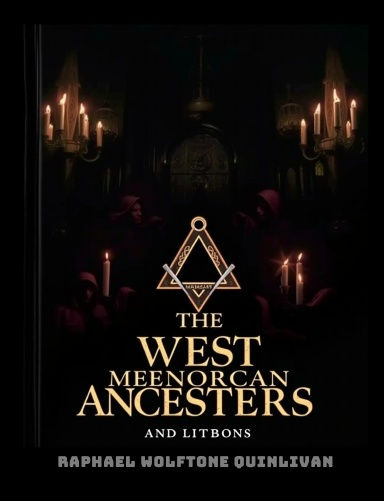

Seeds of an New Republic
The intellectual bedrock upon which the American experiment was built was undeniably forged in the fires of the Enlightenment, a period characterized by a profound and often revolutionary shift in how humanity understood itself and its place in the universe. This era, often referred to as the Age of Reason, was not a monolithic movement but rather a complex tapestry of interconnected ideas and philosophical inquiries that permeated Western thought and, consequently, found fertile ground in the burgeoning American colonies. At its heart lay a radical reassertion of human capacity, a belief in the power of reason to illuminate the darkness of ignorance and superstition, and a burgeoning confidence in the individual's ability to apprehend truth through empirical observation and logical deduction.
The philosophical lineage of this intellectual revolution can be traced through the seminal works of thinkers who dared to question established doctrines and propose new frameworks for understanding society, governance, and human nature. John Locke, a towering figure of the era, profoundly influenced the colonial mind with his theories of natural rights. His assertion that individuals possess inherent rights to life, liberty, and property, rights that precede and are antecedent to government, provided a potent intellectual weapon against the divine right of kings and the arbitrary exercise of power. Locke’s concept of the social contract, wherein governments derive their legitimacy from the consent of the governed, offered a compelling alternative to traditional hierarchies, suggesting that political authority was not divinely ordained but rather a construct of rational agreement among free individuals. This idea of a government accountable to its people, a radical departure from the absolutist monarchies prevalent in Europe, deeply resonated with colonists who increasingly felt their liberties infringed upon by a distant crown.
Jean-Jacques Rousseau, another pivotal philosopher, further contributed to this intellectual ferment with his exploration of the general will and the concept of popular sovereignty. While his ideas were perhaps more radical and sometimes interpreted in ways that diverged from Locke’s more individualistic focus, Rousseau’s emphasis on the collective will of the people as the ultimate source of legitimate authority offered a powerful vision of a society where citizens actively participated in shaping their own destiny. His critique of existing social and political structures, which he argued often corrupted natural human goodness, fueled a desire for a more equitable and just society, one that prioritized the common good and the well-being of all its members.
Baron de Montesquieu, through his seminal work "The Spirit of the Laws," provided a critical analysis of governmental structures and advocated for the separation of powers. His meticulous examination of various forms of government, particularly the British system, led him to champion the idea that liberty could be best preserved by dividing governmental authority among distinct branches – legislative, executive, and judicial – each with its own responsibilities and the power to check the excesses of the others. This principle of checks and balances, designed to prevent tyranny and ensure a more balanced and stable form of governance, would prove to be a cornerstone of the eventual American constitutional framework. The very act of dissecting and analyzing governance in such a systematic and rational manner embodied the spirit of the Enlightenment, encouraging a critical and analytical approach to political structures that had long been accepted as immutable.
In the Midst of Profound Darkness
The title, " Midst of Profound Darkness," is an invocation, a starting point for a journey through the multifaceted landscape of human experience, faith, and societal structures. It is a concept that, at first glance, may seem paradoxical, even jarring.
How can the symbol of innocence, sacrifice, and gentle surrender be so intrinsically linked to the often-imposing machinery of governance? This book endeavors to explore this apparent dichotomy, not as an endpoint, but as a catalyst for deeper inquiry into the nature of leadership, the responsibilities of the governed, and the spiritual underpinnings of our collective existence. My perspective is shaped by a life that has navigated both the intellectual pursuits of history and theology and the visceral realities of personal challenges, including mental health struggles. These experiences have imbued me with a unique lens through which to view the world, one that seeks to reconcile grand historical narratives with intimate personal truths, and to find the divine spark within the human struggle.
This work is a testament to the enduring power of faith, the unwavering pursuit of justice, and the profound yearning for peace that resides within the human spirit. It is a stream of consciousness, a winding river of thought that flows through personal anecdotes, historical accounts, and theological musings, seeking to connect the seemingly disparate elements of our reality. I have drawn inspiration from a diverse array of figures and events, from the historical resonance of feudalism and chivalry to the contemporary impact of figures like Martin Luther King Jr. and the pressing concerns surrounding global health crises. The aim is not to provide definitive answers, but to stimulate contemplation, to encourage a re-examination of our societal norms, and to foster a deeper understanding of the forces that shape our lives.
The narrative is characterized by a spirit of gratitude, acknowledging the invaluable contributions of countless individuals and institutions, including the dedicated efforts of law enforcement and healthcare professionals. These acknowledgments are not mere formalities, but expressions of a genuine appreciation for the systems and people that have supported and influenced my journey. Ultimately, " Midst of Profound Darkness" is an exploration of identity, faith, and the profound quest for spiritual connection. It is a fragmented yet earnest attempt to build a more peaceful world, to understand the mysteries that surround us, and to connect with the historical and contemporary figures who have illuminated the path towards a more just and loving existence. It is a book born from a desire to share a unique worldview, shaped by experience and illuminated by hope, and to invite readers to join in the ongoing, vital
conversation about what it means to be human in an increasingly complex world.
.jpg)
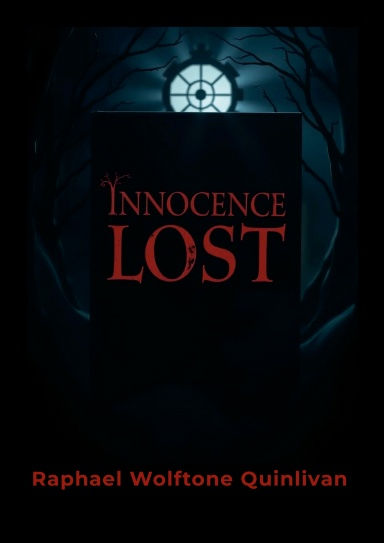
Innocence Lost
The very dawn of human consciousness was interwoven with the nascent stirrings of a moral compass, a deep-seated impulse to discern right from wrong. Long before codified laws or sophisticated legal systems, humanity grappled with questions of fairness, accountability, and consequence. These early inquiries, etched into the fabric of foundational narratives and theological underpinnings, serve as the bedrock upon which our understanding of justice, and indeed innocence, has been built. To truly grasp the complexities of our present moral landscape, we must first cast our gaze back to these ancient echoes, to the very genesis of our moral inquiry.
Consider the primordial narratives that populate the early chapters of human history, those foundational stories passed down through generations. These tales, often imbued with divine pronouncements and stark illustrations of human fallibility, were humanity’s first attempts to map the terrain of morality. In the accounts of creation, for instance, we see not only the establishment of a cosmic order but also the initial imposition of boundaries, the first articulation of divine law. The prohibition against consuming the fruit of the tree of knowledge in Eden, though seemingly a simple directive, carried profound implications. It established a dichotomy, a clear demarcation between obedience and transgression, between what was permitted and what was forbidden. This was not merely a rule; it was an early articulation of a moral order, a divine decree that set the stage for human choice and, consequently, for accountability.
The narrative of Cain and Abel further illuminates these nascent concepts of justice and consequence. When Cain, driven by envy and rage, commits the first murder, the ensuing divine judgment is swift and severe. God’s questioning of Cain—“Where is Abel your brother?”—is not merely an inquiry for information but a profound challenge to Cain’s actions and his subsequent attempt to evade responsibility. The curse placed upon Cain, the mark that protected him from retribution while simultaneously condemning him to a life of wandering, represents an early form of legal consequence. It demonstrates a societal understanding, albeit divinely ordained, that egregious acts demand a commensurate response, and that even within divine justice, there is a complex interplay of punishment and a peculiar form of preservation. This ancient drama underscores a fundamental truth that has echoed through millennia: that actions have repercussions, and that accountability, however divinely administered, is an inherent part of the human condition.
These early narratives also reveal a nascent understanding of human fallibility. The expulsion from Eden was not solely a punishment for disobedience; it was also an acknowledgment of humanity's inherent weakness, its susceptibility to temptation and its capacity for error. This recognition of human imperfection is crucial to any discussion of justice. If humanity were inherently perfect, the need for laws, judgments, and the very concept of innocence lost would be rendered moot. The biblical accounts, from Adam and Eve’s transgression to the constant cycle of apostasy and repentance depicted in the Old Testament, underscore a persistent theme: humanity’s struggle against its own flawed nature. This struggle is the fertile ground from which moral inquiry springs. It is in confronting our own capacity for error, our own potential for sin, that we begin to understand the necessity of justice, not merely as an external imposition, but as an internal striving towards a higher moral state.
The concept of divine law, as articulated in these ancient texts, differed significantly from modern secular legal systems. It was often perceived as immutable, absolute, and intrinsically tied to the divine will. Yet, even within this framework, there were seeds of moral inquiry that extended beyond mere obedience. The prophets, for instance, were not simply conduits of divine pronouncements; they were often moral reformers, challenging the established order when it deviated from the principles of justice and righteousness.
Figures like Isaiah and Jeremiah spoke out against social injustice, corruption, and the exploitation of the vulnerable, demonstrating that the application of divine law was not a passive acceptance of decree, but an active engagement with ethical principles. Their pronouncements often served as a moral reckoning for society, a call to account for actions that transgressed not just divine commandments, but fundamental principles of fairness and compassion.
These early legal and theological doctrines laid a groundwork for later developments,

The Continual Journey
The genesis of "The Continual Journey" lies in a profound and persistent inquiry into the enduring questions that have occupied the human mind for millennia: How ought we to live? What constitutes a life of virtue? And what is the nature of the "right path" that leads to true fulfillment and a meaningful existence? The author, Raphael Quinlivan, embarks on this intellectual and spiritual exploration not from a position of pronouncement, but as a fellow traveler, deeply immersed in the rich tapestry of philosophical and religious thought. This book is a distillation of years spent wrestling with the profound insights offered by titans of ancient wisdom, from the dialectical explorations of Plato to the guiding narratives of biblical scripture. It is an endeavor to bridge the chasm between abstract ideals and the concrete realities of human experience, to illuminate how timeless principles of virtue can guide us through the complexities of contemporary life.
The intention behind these pages is not to present a rigid dogma or an unassailable doctrine. Rather, it is to offer a contemplative invitation, a space for reflection and introspection. The author weaves together personal reflections, historical examples, and observations on the political landscape to demonstrate the omnipresent relevance of ethical considerations. In an era often characterized by rapid change, fleeting trends, and a sometimes-disorienting multiplicity of voices, the bedrock of good conduct remains an indispensable compass. This book seeks to remind us that the pursuit of self-knowledge, the cultivation of moral integrity, and the unwavering commitment to virtue are not mere academic exercises, but fundamental pillars upon which a life of purpose and lasting significance is built. It is a call to engage with the profound, to question our assumptions, and to actively shape our destinies through conscious, virtuous choices.
The author's approach is one that honors the allegorical language and philosophical questioning that have long been potent tools for conveying deep truths. Through these methods, the reader is encouraged to embark on a personal journey of discovery, to confront the perennial struggle between the forces of good and evil, both within the individual soul and within the broader societal fabric. The chapters that follow are a testament to the belief that a life lived in accordance with "right conduct" is not only possible but is the most rewarding and meaningful path one can undertake. It is a path that requires perseverance, a deep wellspring of inner strength, and an unyielding pursuit of wisdom, all of which are explored and elucidated within these discussions.
The human journey, in its most elemental form, is a ceaseless quest for meaning and direction. Across the vast panorama of history, from the sun-drenched agorae of ancient Greece to the sacred groves where foundational religious texts were conceived, humanity has grappled with a singular, overarching question: How do we navigate the intricate landscape of existence to live a life that is not only prosperous but profoundly good? This pursuit of "right conduct," of aligning our actions with a higher moral purpose, is not a fleeting philosophical trend but an intrinsic human imperative, a deep-seated yearning that has shaped civilizations and continues to resonate with an urgent relevance in our own complex, rapidly evolving world. It is within this timeless inquiry that the essence of this book, "Right Path Good Conduct," finds its genesis.
Drawing inspiration from the profound dialogues of Plato and the timeless narratives of biblical tradition, this work endeavors to illuminate the enduring principles that underpin a virtuous life. These ancient voices, separated by millennia yet united by a shared understanding of human nature, offer us not a rigid blueprint, but a rich wellspring of wisdom. They speak of virtue not as an abstract ideal, but as a vital, dynamic force that shapes our character, guides our decisions, and ultimately determines our destiny. Plato's exploration of justice, temperance, courage, and wisdom, and the biblical exemplars of faith, resilience, and unwavering ethical commitment, provide a foundational framework for understanding what it means to live well. These are not mere historical curiosities; they are living principles, remarkably pertinent to the challenges we face today, from the personal struggles of self-mastery to the collective responsibilities of societal harmony.
The Cold War
This work is dedicated to the ceaseless striving of the human intellect, to its insatiable appetite for understanding the complex architectures of power and belief that shape our world. It is for the students who grapple with dense theoretical texts late into the night, seeking clarity in the labyrinth of political thought. It is for the academics who tirelessly excavate the past, unearthing the roots of present-day ideologies and their often-unforeseen consequences. It is for the policy analysts who endeavor to translate abstract theories into practical solutions, navigating the intricate dance between ideals and realities. And it is for every well-read individual who finds solace and stimulation in the rigorous dissection of history, who understands that the present is but a palimpsest of the past, and who yearns to comprehend the forces that propel societies across continents and through the centuries.
May this book serve as a testament to the enduring power of critical inquiry, a reminder that understanding the genesis and evolution of political ideologies is not merely an academic pursuit, but a vital necessity for navigating the precarious landscape of global affairs. To those who seek not simple answers, but the courage to ask profound questions, and to those who believe that a deeper comprehension of our collective journey is the first step toward a more thoughtful and equitable future, this book is humbly offered. It is an exploration of the grand narratives that have sought to explain and control the human experience, and a contemplation of the enduring questions that continue to define our quest for meaning and justice in an ever-changing world.

.jpg)
The Plantation
Florida, a land of stark contrasts and enduring allure, possesses a history that is as vibrant and often as contradictory as its sun-drenched landscapes. It is a story woven from the threads of Indigenous resilience, the ambitions of colonial powers, the persistent influx of diverse peoples, and the unyielding struggle for equality and peace. This book embarks on a journey through that complex tapestry, employing the intimate lens of one family's lineage, stretching from the ancient stones of St.
Augustine, the oldest continuously inhabited European settlement in the United States, to the bustling riverfronts of Jacksonville. The narrative delves into how sweeping historical currents—the Spanish conquest and its enduring legacy, the profound trauma of slavery and the arduous path of Reconstruction, the cyclical booms and busts of the state's economy, the courageous fight for civil rights, and the continuous adaptation to a world in rapid flux—have not only sculpted the physical terrain but have also indelibly shaped the identities of those who call Florida home.
Through a blend of personal anecdotes, ancestral stories unearthed from fragmented records, and rigorous historical inquiry, I aim to navigate the societal divides and political ideals that have come to define the Sunshine State. The exploration acknowledges the persistent quest for peace, both on an individual and a collective level, recognizing the profound impact of unresolved historical traumas and the challenging, often arduous, road toward reconciliation. It seeks to highlight the inherent strength found within communities, the transformative power of forgiveness in healing fractured relationships, and the enduring hope that fuels dreams, even when confronted by sacrifice, systemic barriers, and the weight of inherited injustices. Ultimately, this book underscores that Florida's identity is not a static inheritance, but a dynamic, evolving entity, continuously shaped by the convergence of myriad cultures and the persistent human drive to build a more just and equitable future. It is a reflection on how the past undeniably informs the present, and how a comprehensive understanding of history’s unfinished business is not merely an academic exercise, but an essential prerequisite for forging a shared and hopeful horizon for all Floridians.
The Church: a new Community Emerges
The four canonical Gospels—Matthew, Mark, Luke, and John—stand as the cornerstone of Christian faith, recounting the life, ministry, death, and resurrection of Jesus of Nazareth. Yet, to approach these sacred texts with a monolithic understanding would be to miss a significant dimension of their richness and power. While they all bear witness to the same Christ, each Gospel presents a unique theological tapestry, woven with distinct threads of emphasis, style, and purpose.
This diversity is not a sign of contradiction or weakness, but rather a testament to the multifaceted nature of Jesus himself and the varied ways God chose to reveal His Son to the world. The intention of this subsection is to lay the groundwork for appreciating this vital aspect of the Gospel accounts: their inherent uniqueness. We will explore the fundamental premise that each Gospel author, writing from their specific vantage point within the
first-century world, was moved by the Holy Spirit to shape their narrative in a manner that spoke with particular resonance to their intended audience.
.jpg)
The question of why these differences exist is not merely an academic curiosity; it is a gateway to deeper understanding. The human authors, Matthew the tax collector, Mark the companion of Peter, Luke the physician and historian, and John the beloved disciple, each brought their unique experiences, their theological insights, and their rhetorical skills to bear on the monumental task of testifying to Jesus. Their backgrounds—whether rooted in the deeply Jewish soil of Galilee or the broader Hellenistic world—shaped their perspectives. The audiences they addressed—whether a primarily Jewish community grappling with the identity of Jesus as Messiah, or a more Gentile readership seeking to understand the foundations of this new faith—influenced their choice of language, their selection of events, and their interpretative emphases. The very purpose behind each Gospel’s composition played a crucial role; some aimed to persuade Jewish readers of Jesus's messiahship, others to demonstrate the universal scope of salvation, and still others to deepen the theological understanding of believers already in the fold.
Understanding these factors—authorship, audience, and purpose—is essential before delving into the specifics of each Gospel. This initial exploration sets the stage for a more profound appreciation of how the Holy Spirit inspired these diverse voices to speak in harmony, yet with individual melodies, creating a symphony of testimony about Jesus Christ. This is the essence of the "unity in diversity" that characterizes the four Gospels. It is a testament to the richness of God's revelation, demonstrating that truth can be apprehended and articulated from multiple, complementary angles, each
illuminating different facets of the divine mystery.
The traditional understanding of authorship, while subject to scholarly debate, provides a valuable starting point for appreciating these distinct perspectives. Matthew, believed by many to be the Apostle Matthew himself, likely wrote for a community with a strong Jewish heritage. His Gospel is meticulously structured, demonstrating a clear apologetic purpose: to prove that Jesus is indeed the Messiah prophesied in the Hebrew Scriptures. This perspective naturally leads him to emphasize Jesus's lineage, his fulfillment of Old Testament prophecy, and his role as the new lawgiver, mirroring Moses. The historical context of Matthew’s Gospel, often placed in the latter half of the first century CE, suggests he was writing to a community that needed to grapple with the implications of Jesus’s identity within their existing Jewish framework, perhaps even in the face of growing separation between Judaism and nascent Christianity. His emphasis on Jesus as the King who inaugurates the Kingdom of Heaven would have resonated with deeply ingrained Jewish messianic expectations. The detailed inclusion of the Sermon on the Mount, a foundational teaching on the ethics of this new kingdom, further underscores this focus on continuity with, and fulfillment of, God’s Law as understood through the lens of a Jewish Messiah.
Mark, on the other hand, presents a Gospel characterized by its rapid pace and direct, action-oriented narrative. Traditionally attributed to John Mark, a close associate of both
Peter and Paul, this Gospel is often thought to have been written for a Roman audience, or at least for Christians living in a context where the urgency of the Gospel message needed to be conveyed powerfully and concisely. The pervasive use of the word "immediately" (Greek: euthys) throughout Mark’s Gospel serves as a literary marker of its brisk tempo. Mark’s Jesus is often depicted as a figure of divine power, the Son of God, but one who also embodies the Servant motif and embraces suffering. This emphasis on the suffering Servant, a concept perhaps less dominant in other Jewish messianic expectations of the time, might have been particularly suited to a Roman audience familiar with the idea of military conquest and the potential appeal of a different kind of strength—one found in sacrificial love and ultimate victory through defeat. The theological weight Mark places on Jesus's suffering and the enigmatic "messianic secret," whereby Jesus often commands those healed or proclaiming his identity to remain silent, suggests a nuanced portrayal designed to lead readers to a deeper, more profound understanding of who Jesus is, moving beyond superficial notions of political Messiahship. The socio-political climate of
first-century Rome, with its emperor worship and emphasis on earthly power, would
have provided a stark backdrop against which Mark’s portrayal of Jesus as a suffering, yet divine, King would have been particularly striking and perhaps even
counter-cultural.
Luke, the "beloved physician" and companion of Paul, offers a Gospel renowned for its sophisticated literary style and meticulous historical detail. His two-volume work, the Gospel of Luke and the Book of Acts, presents a comprehensive and orderly account of Jesus's life and the early spread of the Christian message. Luke's stated purpose, in his address to the noble Theophilus, was to provide a "detailed account" of the things he had been taught. This suggests an author deeply concerned with historical accuracy and theological coherence. The audience for Luke's Gospel appears to be broader than that of Matthew, encompassing both Jewish and Gentile believers.
Consequently, Luke’s portrayal of Jesus emphasizes his role as a universal Savior, whose compassion and ministry extend to the marginalized, the poor, women, Samaritans, and Gentiles. The Gospel consistently highlights themes of prayer, the empowering work of the Holy Spirit, and the radical inclusiveness of God's kingdom, demonstrating a broad vision of salvation history that transcends ethnic and social boundaries. Luke’s careful attention to detail, his use of historical markers, and his inclusion of genealogies that trace Jesus back to Adam (in Luke 3, though not the focus of this particular subsection, it underscores his universal scope) all contribute to presenting Jesus as a historically situated figure whose salvific work has implications for all humanity. This emphasis on inclusivity and historical grounding would have been crucial for bridging cultural divides and establishing the credibility of the Christian message for a diverse readership.
Finally, the Gospel of John stands apart, distinguished by its profound theological depth and philosophical inquiry. Written later than the Synoptic Gospels, John’s account is less concerned with chronological detail and more focused on revealing the essential identity of Jesus. His prologue famously introduces Jesus as the divine Logos, the eternal Word of God, who was with God in the beginning and through whom all things were made. This portrayal emphasizes Jesus's pre-existence, his divine nature, and his role as the ultimate revelation of God. John’s audience, while diverse, seems to include those wrestling with the fundamental questions of existence, belief, and eternal life. His use of specific terminology, his focus on Jesus’s "signs" (miracles interpreted as divine indicators), and his extensive use of dialogue and theological discourse, particularly concerning belief, eternal life, and Jesus’s relationship with the Father, mark his Gospel as a distinct and vital witness to Christ. The themes of light and darkness, life and death, and the imperative to believe are
central to John’s narrative, offering a powerful and unique testimony to Jesus’s divine identity and mission. His distinctive approach to testifying about Christ—moving beyond the messianic expectations to the very essence of Jesus’s divinity—provides a crucial theological anchor for understanding the Christian faith.
In essence, the four Gospels offer us not four different Jesuses, but one Jesus presented through four divinely inspired lenses. Matthew provides the meticulously argued case for the Jewish Messiah. Mark offers the urgent, action-packed proclamation of the Son of God. Luke unveils the compassionate, universal Savior for all nations. John reveals the divine Logos, the eternal Word made flesh. Together, they form a rich, harmonious tapestry, each thread contributing to the magnificent portrait of Christ. To appreciate their uniqueness is to unlock a deeper understanding of Jesus himself, and to embrace the fullness of God’s revelation to humanity. This approach allows for a robust engagement with the texts, recognizing their historical and literary distinctiveness while affirming their unified witness to the truth of the Gospel. The unity of the Gospels lies not in their identical repetition, but in their harmonious convergence on the central figure of Jesus Christ, revealing His multifaceted glory in ways that speak to the breadth of human experience and the depth of divine purpose. This foundational understanding prepares us for the detailed exploration of each Gospel's unique contribution to our understanding of Jesus and His Kingdom.
The intentionality behind each Gospel writer's approach is a profound theological concept worth further exploration. It speaks to the sovereignty of God, who not only inspired the words but also guided the circumstances of their composition, ensuring that the message of salvation would be communicated with clarity, power, and relevance across diverse cultural and historical landscapes. The selection of particular events, the framing of Jesus’s teachings, and the theological emphases are not accidental; they are deliberate choices that serve to illuminate specific aspects of Jesus’s identity and mission. For instance, Matthew’s focus on Jesus as the fulfillment of Old Testament prophecy, particularly concerning the Messiah, directly addresses the messianic expectations prevalent within Judaism at the time. His meticulous arrangement of Jesus’s teachings into five major discourse blocks, mirroring the five books of the Torah, casts Jesus as the new Moses, the authoritative interpreter and fulfiller of God’s law. This is not merely a literary device; it is a theological argument designed to persuade Jewish readers that Jesus is the promised leader and king they had long awaited. The inclusion of genealogies tracing Jesus’s lineage back to Abraham and David serves the same purpose, grounding Jesus’s messianic claims in
the historical and covenantal promises of God to Israel.
Conversely, Mark’s presentation, often interpreted as being for a Roman audience, prioritizes action and impact. The pervasive use of “immediately” creates a sense of urgency, perhaps reflecting the rapidly changing political landscape of the Roman Empire or the imminent nature of Jesus’s kingdom. Mark’s emphasis on Jesus’s power and authority, demonstrated through dramatic miracles and confrontations, would have appealed to a culture that valued strength and decisive action. Yet, Mark also introduces the concept of the “messianic secret,” a theological motif that invites readers to ponder the true nature of Jesus’s power. Instead of a triumphant, conquering king, Mark presents a suffering Servant, whose authority is ultimately expressed through self-sacrifice. This counter-intuitive portrayal challenges superficial understandings of power andMessiahship, pushing readers toward a deeper, more spiritual apprehension of Jesus’s identity. The socio-political context of Roman occupation, with its emphasis on military might and earthly dominion, would have made Mark’s depiction of a Messiah whose kingdom is “not of this world” particularly radical and thought-provoking.
Luke’s comprehensive narrative, aimed at a more universal audience, seeks to demonstrate the breadth and inclusivity of God’s redemptive plan. His detailed historical accounts and his emphasis on Jesus’s compassion for the marginalized—women, the poor, the sick, and Gentiles—speak to a desire to present Jesus as a Savior for all people. Theophilus, addressed at the beginning of the Gospel, likely represents a Gentile inquirer or a Christian seeking a more thorough understanding of their faith. Luke’s integration of Jesus’s ministry within the broader sweep of salvation history, beginning with creation and extending through the Old Testament, positions Jesus as the culmination of God’s long-standing promises. His emphasis on the Holy Spirit’s empowering presence in Jesus’s ministry and in the early Church highlights the ongoing work of God in the world. This universalizing tendency, evident in Luke’s inclusion of the parable of the Good Samaritan and his narrative of the Gentile centurion’s faith, underscores a profound theological truth: God’s love and salvation are not limited by ethnic or religious boundaries.
John’s Gospel, in contrast, delves into the very essence of Jesus’s divine nature. His prologue, with its philosophical language of the Logos, immediately elevates Jesus beyond earthly considerations. John’s purpose seems to be to lead his readers to a profound and abiding belief in Jesus’s identity as the Son of God, the eternal Word made flesh. The “signs” he recounts are not merely miracles but divine manifestations that point to Jesus’s intrinsic relationship with the Father and his eternal life. The
thematic structure of John’s Gospel, centered on concepts like belief, eternal life, light, and truth, invites a deep theological reflection. His audience may have included those from Hellenistic backgrounds who were familiar with philosophical concepts of divine emanation and truth, making the Logos concept a bridge to understanding Jesus’s unique identity. The emphasis on Jesus’s “I AM” statements, which echo the divine name revealed to Moses, further underscores his claim to divinity. John’s distinct approach provides a foundational theological understanding of who Jesus is, complementing the messianic arguments of the Synoptics.
The interplay between these distinct perspectives offers a richer, more complete picture of Jesus than any single Gospel could provide on its own. It is akin to viewing a magnificent diamond from different angles; each facet reflects light uniquely, revealing different colors and depths, yet all contribute to the brilliance of the whole. This diversity allows the Gospel message to speak to a wider range of human experiences and intellectual queries. For the Jewish Christian, Matthew’s emphasis on fulfillment resonates deeply with their heritage. For the Gentile convert, Luke’s universalism offers assurance of inclusion. For those grappling with the nature of divine power and suffering, Mark’s portrayal provides profound insight.
And for those seeking to understand the very essence of God’s revelation, John’s theological depth offers unparalleled clarity. This multi-perspectival approach is not a weakness of the biblical text but a strength, a testament to the inexhaustible richness of God’s
self-disclosure in Jesus Christ.
Moreover, the historical context surrounding the writing of each Gospel adds another layer of understanding to their unique emphases. Matthew, likely written in the latter decades of the first century, may have been addressing a community navigating the aftermath of the destruction of the Jerusalem Temple in 70 CE. This event would have profoundly impacted Jewish identity and messianic expectations. Matthew’s Gospel, with its emphasis on Jesus as the fulfillment of prophecy and the inauguration of a new covenant, would have provided solace and theological coherence during such a turbulent time. His focus on Jesus as the King who establishes the Kingdom of Heaven, a spiritual reality rather than a political one, offered a new framework for understanding God’s ongoing work and Israel’s destiny. The detailed instruction in the Sermon on the Mount provided practical guidance for living as citizens of this heavenly kingdom, a kingdom not dependent on earthly structures that had been so violently dismantled.
Mark’s Gospel, potentially written for Christians in Rome facing persecution under Roman authorities, might explain its directness and emphasis on suffering. The
“messianic secret” could have served a dual purpose: to guide believers toward a deeper understanding of Jesus’s non-worldly kingdom and to protect them from overt political identification with a figure whose claims could be interpreted as seditious by the Roman state. The urgency of Mark's narrative might have resonated with believers facing immediate hardship, offering them a powerful reminder of Jesus’s authority and the ultimate triumph of God’s kingdom, even in the face of suffering and apparent defeat. The focus on Jesus’s actions and his demonstration of divine power would have offered encouragement and a tangible sense of God's presence amidst adversity.
Luke’s meticulous historical approach suggests a desire to provide a
well-documented and reasoned account for a sophisticated audience, perhaps one seeking to defend the Christian faith against criticisms or misunderstandings.
Theophilus, potentially a Roman official or a prominent Gentile believer, would have benefited from a clear, orderly, and historically grounded narrative. Luke’s careful tracing of Jesus’s lineage to Adam, his attention to the social implications of Jesus’s ministry, and his emphasis on the universal scope of the Gospel demonstrate a deliberate effort to present Christianity not as a mere Jewish sect, but as a
world-transforming movement with implications for all humanity. The historical context of the Roman Empire, with its diverse population and burgeoning communication networks, provided fertile ground for Luke’s message of universal salvation.
John’s Gospel, likely written last among the four, may have addressed theological challenges arising from within the Christian community itself or from external Gnostic influences that sought to diminish Jesus’s humanity or his connection to the God of Israel.
John’s profound theological declarations about Jesus’s divinity, his
pre-existence, and his role in creation would have served to anchor believers in the orthodox understanding of Christ. His emphasis on belief as the means of receiving eternal life would have provided a clear pathway to salvation for those grappling with complex theological questions. The historical backdrop of debates about Jesus’s identity within both Jewish and Hellenistic philosophical circles would have made John’s clear articulation of Jesus as the divine Logos particularly timely and impactful.